
Why Boutique Hotels Are Investing in Cultural Programming
Why Boutique Hotels Are Investing in Cultural Programming
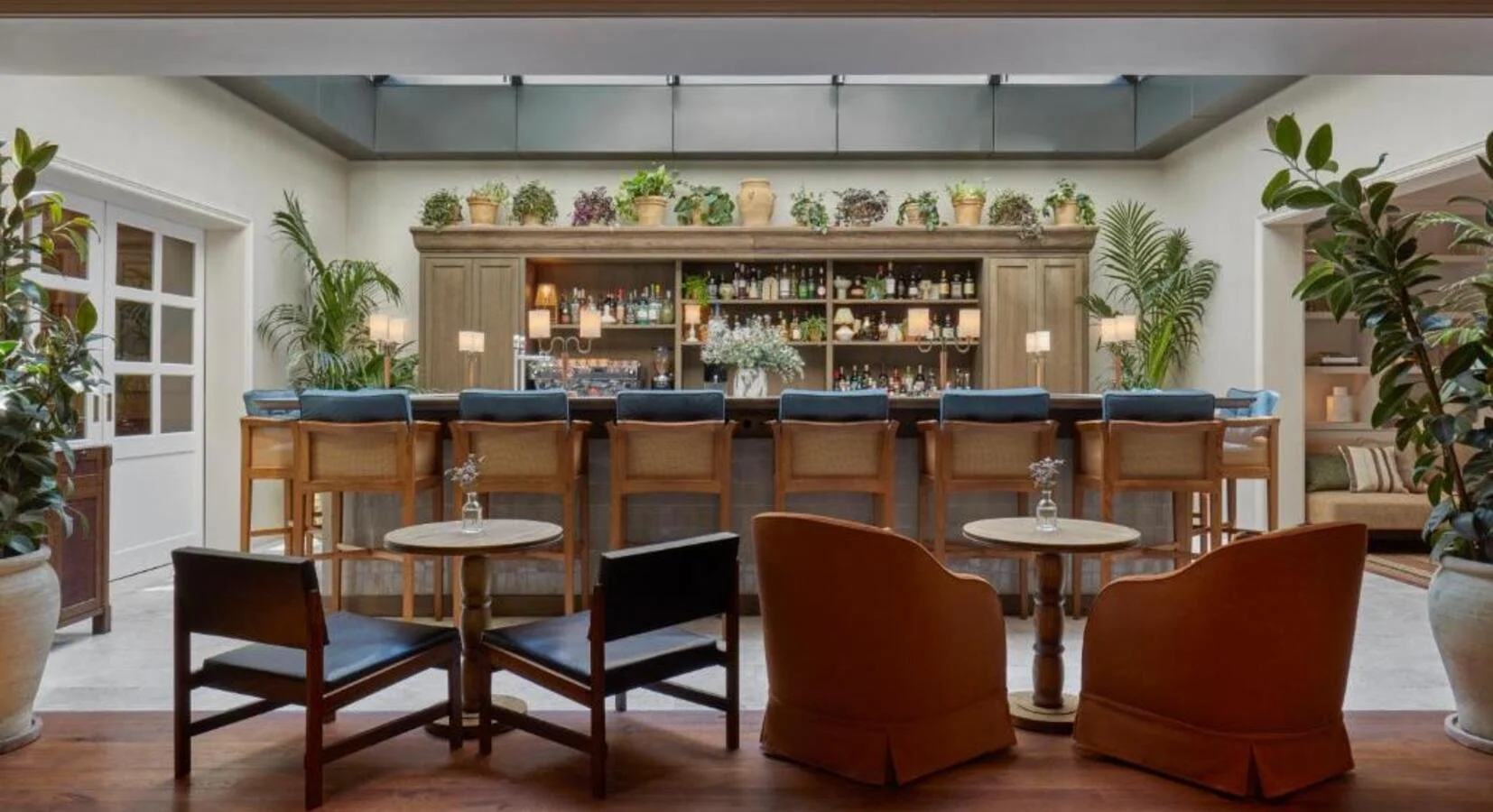
A beautiful room, a great cocktail, and impeccable service will always matter. But what makes a hotel truly memorable?
Increasingly, it's what happens beyond the room.
Across the hospitality industry, boutique hotels are reimagining their spaces as destinations for culture, creativity, and connection. From intimate live music sessions and rooftop DJ sets to art exhibitions and community gatherings, cultural programming is becoming an important part of the guest experience.
And it's not just about entertainment. Done thoughtfully, these experiences can help hotels attract local audiences, strengthen their brand identity, create opportunities for additional food and beverage revenue, and become a meaningful part of their surrounding communities.
1. Today's Travelers Want More Than a Place to Stay

Travel is becoming increasingly experience-driven.
According to Hilton's 2026 Trends Report, based on research involving more than 14,000 travelers across 14 countries, travelers are placing greater emphasis on meaningful experiences, personal interests, and connection when planning their trips.
The report also found that 35% of people considering travel in 2026 are interested in cultural experiences, while 31% are actively seeking local groups or communities to connect with during their travels.
For boutique hotels, this presents an exciting opportunity.
Imagine arriving at a hotel in Barcelona and discovering an intimate jazz session in the lounge, an exhibition featuring a local photographer, or a Sunday aperitivo accompanied by a carefully curated DJ set.
Suddenly, the hotel becomes more than somewhere to sleep. It becomes part of the destination itself.
2. Cultural Programming Brings the Local Community Through the Door
One of the biggest opportunities for boutique hotels is building relationships with people who live nearby.
A hotel bar might have a beautiful interior and an exceptional cocktail menu, but that doesn't automatically make it a destination for locals.
Thoughtful programming gives people a reason to discover the space.
A weekly live music session, an artist showcase, or a monthly cultural gathering can introduce a hotel to audiences who might never have considered visiting otherwise.
And when local residents begin returning regularly, the hotel becomes something more valuable: a neighborhood meeting point.
Barcelona offers some interesting examples. At Kimpton Vividora, cultural programming including live music and art collaborations has been used to engage both hotel guests and the local community.
It's a reminder that a hotel's audience doesn't have to end with the people checking in.
3. The Right Experiences Can Support Food and Beverage Revenue
For hotels with bars, restaurants, rooftops, and lounges, cultural programming can also create commercial opportunities.
Consider the difference between an ordinary Sunday evening and one featuring a carefully curated live performance.
An engaging musical experience can give guests a reason to arrive earlier, invite friends, order another drink, or spend more time enjoying the space.
The key is making the programming feel like a natural extension of the venue rather than an unrelated event.
A sophisticated hotel lounge might benefit from neo-soul, bossa nova, or an intimate acoustic session. A vibrant rooftop bar might be better suited to disco-inspired DJ sets or sunset electronic music.
The right format depends on the audience, atmosphere, and commercial goals.
At Beats for Relief, we've seen this approach firsthand through our collaborations with Volta at Hotel Borneta in Barcelona.
Together, we developed a range of musical experiences, from Sunday brunch sessions to evening performances and Italian-inspired aperitivo gatherings.
The goal was never simply to fill a calendar with events. It was to create experiences that complemented the venue, welcomed new audiences, and encouraged guests to enjoy everything the space had to offer.
And that's where cultural programming becomes especially valuable: when creativity and business objectives work together.
4. Music and Art Help Hotels Build a Distinct Identity
In a competitive hospitality market, design alone isn't always enough to make a hotel stand out.
Two properties might offer equally beautiful rooms, impressive architecture, and excellent service. But their personalities can feel entirely different depending on the experiences they create.
Music, art, and culture can help communicate that personality.
A hotel with a strong musical identity might become known for intimate jazz performances, vinyl listening sessions, or emerging electronic artists. Another might build its reputation through contemporary art, comedy, or creative collaborations.
The possibilities are endless, but the most successful concepts share something important: authenticity.
Programming should reflect the hotel's personality, its guests, and its relationship with the surrounding city.
When it does, the experience feels less like an event and more like an extension of the brand.
5. Cultural Experiences Create Opportunities for Community Impact
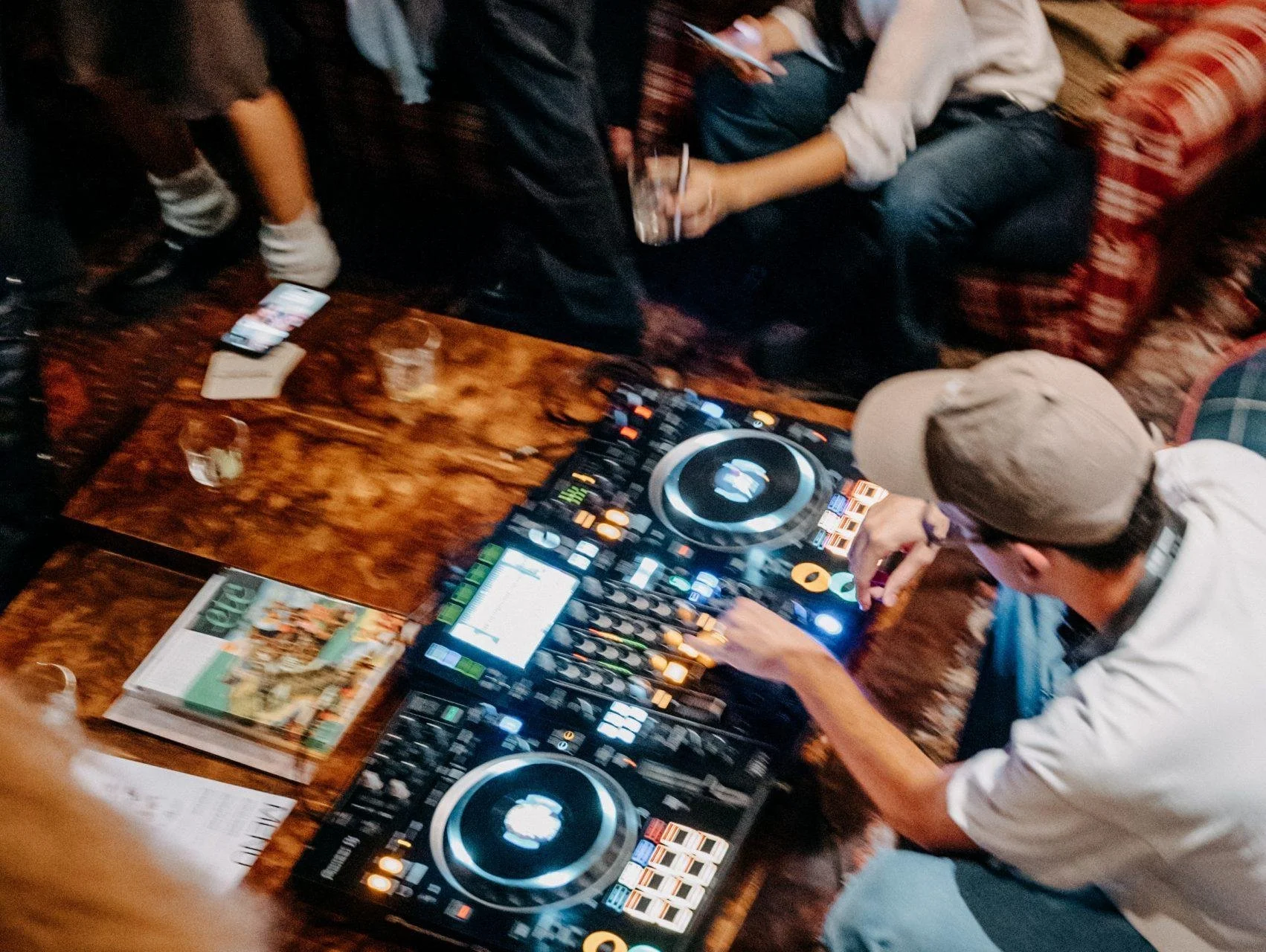
There's another dimension to cultural programming that goes beyond entertainment and revenue: the opportunity to do something meaningful.
Hotels are uniquely positioned to bring together travelers, local residents, artists, businesses, and nonprofit organizations.
By opening their spaces to creative initiatives and community partnerships, they can contribute to the cultural life of their neighborhoods while supporting causes that matter.
This philosophy has been central to Beats for Relief from the beginning.
Through our collaboration with Aethos Hotels in Milan, we curated intimate concerts featuring artists including Manitoba, Tina Masawi, Leano, and Nyco Ferrari.
These gatherings brought guests and local audiences together while supporting nonprofit partners including Oxfam, Italian Climate Network, and ILGA-Europe.
Similarly, our collaboration with Sir Victor Hotel in Barcelona brought together live music, photography, and a community committed to supporting Open Arms.
These experiences illustrate how hospitality spaces can become platforms for creativity and social impact.
And importantly, cultural programming doesn't always need a charitable component to contribute to a community. Simply providing opportunities for local artists to perform, connect with new audiences, and share their work has value of its own.
6. Great Cultural Programming Doesn't Have to Mean Big Productions
One of the misconceptions about hotel entertainment is that creating a memorable experience requires a major production or large budget.
In reality, smaller and more intimate formats can be especially well suited to boutique hotels.
A solo guitarist during brunch. A jazz duo in the lounge. A DJ creating the perfect atmosphere for aperitivo hour. An emerging artist performing an acoustic set for a small audience.
The beauty of cultural programming is its flexibility.
Hotels can experiment with different formats, discover what resonates with their audiences, and develop a consistent identity over time.
And with the right creative partners, programming can be tailored to the venue's available space, operating schedule, budget, and goals.
The most important ingredient isn't necessarily the size of the event. It's the quality of the experience.
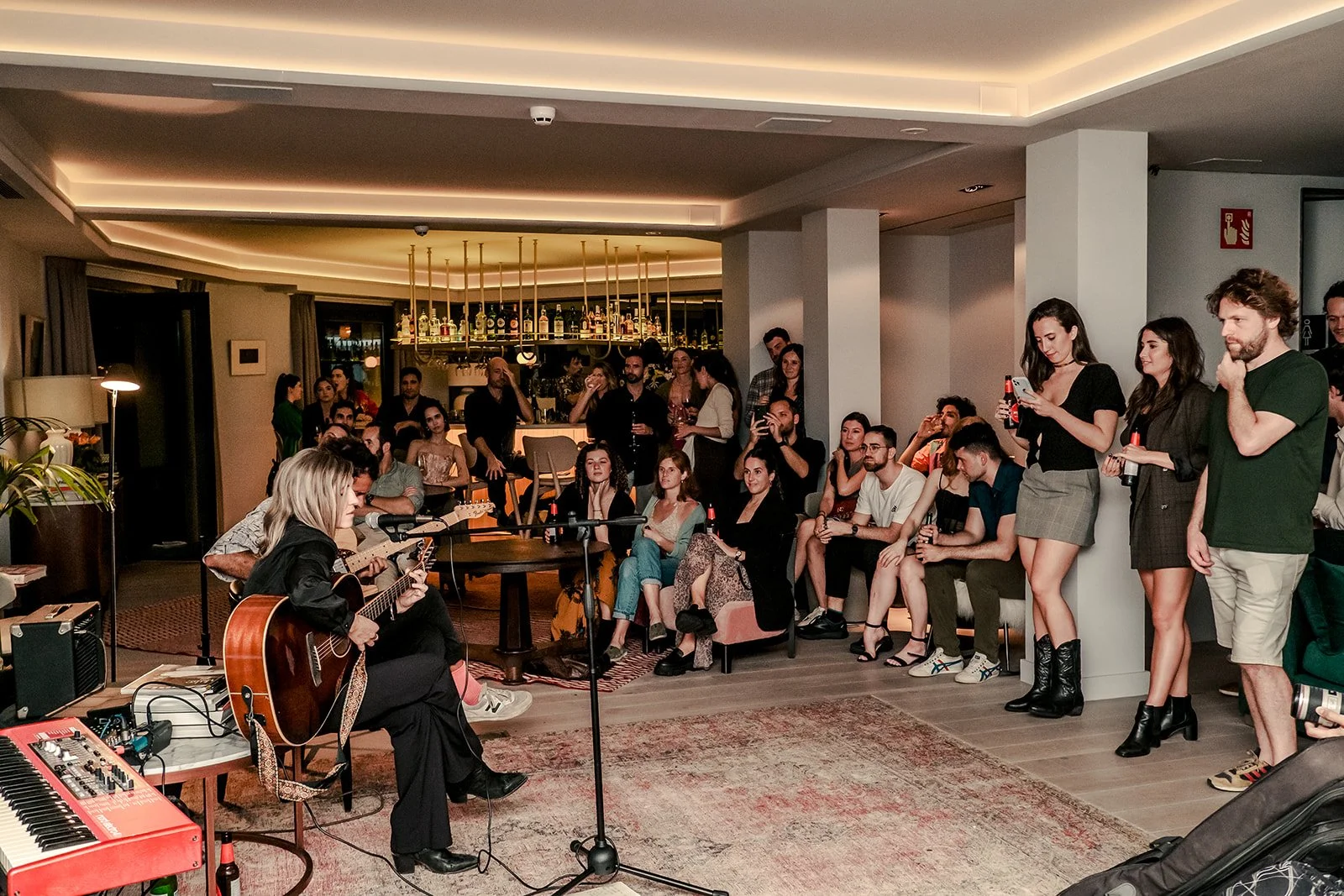
Turning Hotels Into Cultural Destinations
The future of boutique hospitality isn't just about where people stay. It's also about where they gather, what they discover, and how a place makes them feel.
Cultural programming offers hotels an opportunity to create those moments while building stronger connections with guests, local communities, and creative talent.
Whether it's a recurring music series, an intimate artist showcase, or a one-off collaboration, the right experience can bring new energy to a space and give people another reason to return.
At Beats for Relief, we believe the best experiences bring people together.
Through Beats Lab, we collaborate with hotels, restaurants, bars, and cultural venues to create music and entertainment programming that reflects their identity, connects with audiences, and supports their business goals.
Because great hospitality isn't just about creating a beautiful place to stay.
It's about creating a place people want to be.
Interested in bringing more culture, creativity, and community into your venue? Get in touch